Assessing spatial differences of perceptions of cultural ecosystem services for coastal cultural landscape management: A case study from rural and urban areas in Quanzhou, China
Project description
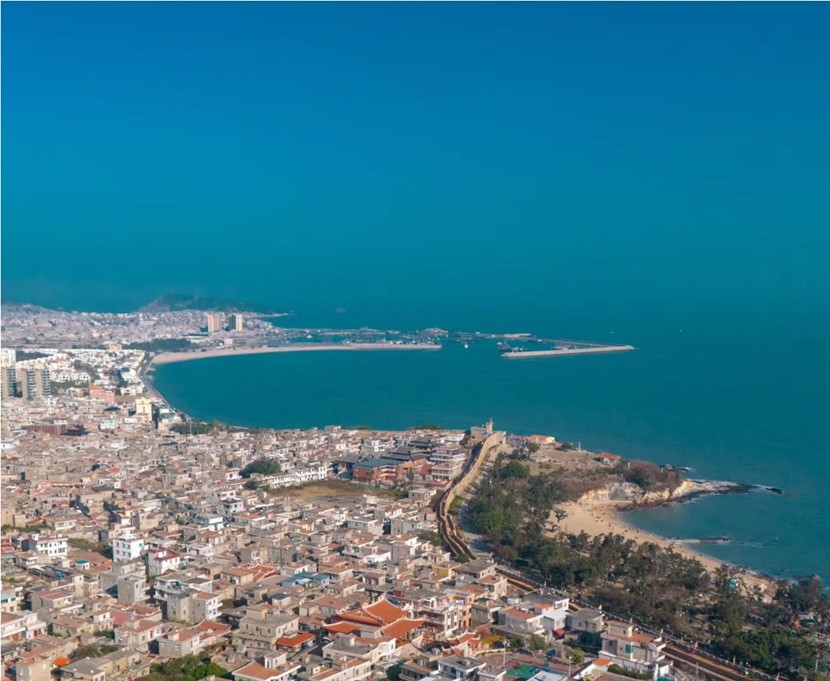
This research project investigates the spatial distribution and public perceptions of Cultural Ecosystem Services (CES) within the coastal cultural landscapes of Quanzhou, addressing the critical need for sustainable management in the face of rapid urbanization and environmental change. Focusing on the urban-rural continuum, the study aims to delineate how different infrastructural typologies—specifically grey, blue, and green infrastructure—contribute to the provision of CES, which include cultural heritage, religious values, sense of place, landscape appreciation, and recreation. The research is grounded in the recognition that these landscapes are vital socio-ecological systems, supporting dense populations and global ecosystem functions, yet their transformation poses significant risks to cultural and natural heritage.
Methodologically, the study employs an integrated approach combining questionnaire surveys and Participatory Geographic Information Systems (PPGIS) to capture and geospatially analyze nuanced public perceptions. Findings reveal a distinct spatial dichotomy: urban areas, particularly historic cores, emerge as primary hotspots for CES related to cultural identity and spirituality, whereas rural areas are predominantly valued for aesthetic and recreational services. The analysis further identifies historic buildings (grey infrastructure) and elements like urban parks and historic villages (blue-green infrastructure) as key physical drivers shaping these perceptions. By elucidating the context-specific relationships between infrastructure, landscape features, and CES values, this project provides essential evidence for developing integrated conservation and planning strategies that bridge urban and rural divides, ultimately aiming to enhance socio-ecological sustainability in coastal regions.